Why Social Media Ads Are a Must-Have for Business Growth in 2026
Social media ads are paid promotions that businesses run on platforms like Facebook, Instagram, TikTok, and YouTube to reach a targeted audience beyond their existing followers.
Quick answer — what you need to know:
What they are: Paid posts or videos shown to users based on their demographics, interests, and behavior
Why they work: Nearly 5.2 billion people use social media, and 80% of people make purchasing decisions based on what they see there
Key platforms: Facebook, Instagram, TikTok, YouTube, Pinterest, LinkedIn, Snapchat
What they cost: Most brands pay between $4–$10 per 1,000 impressions (CPM) in 2026
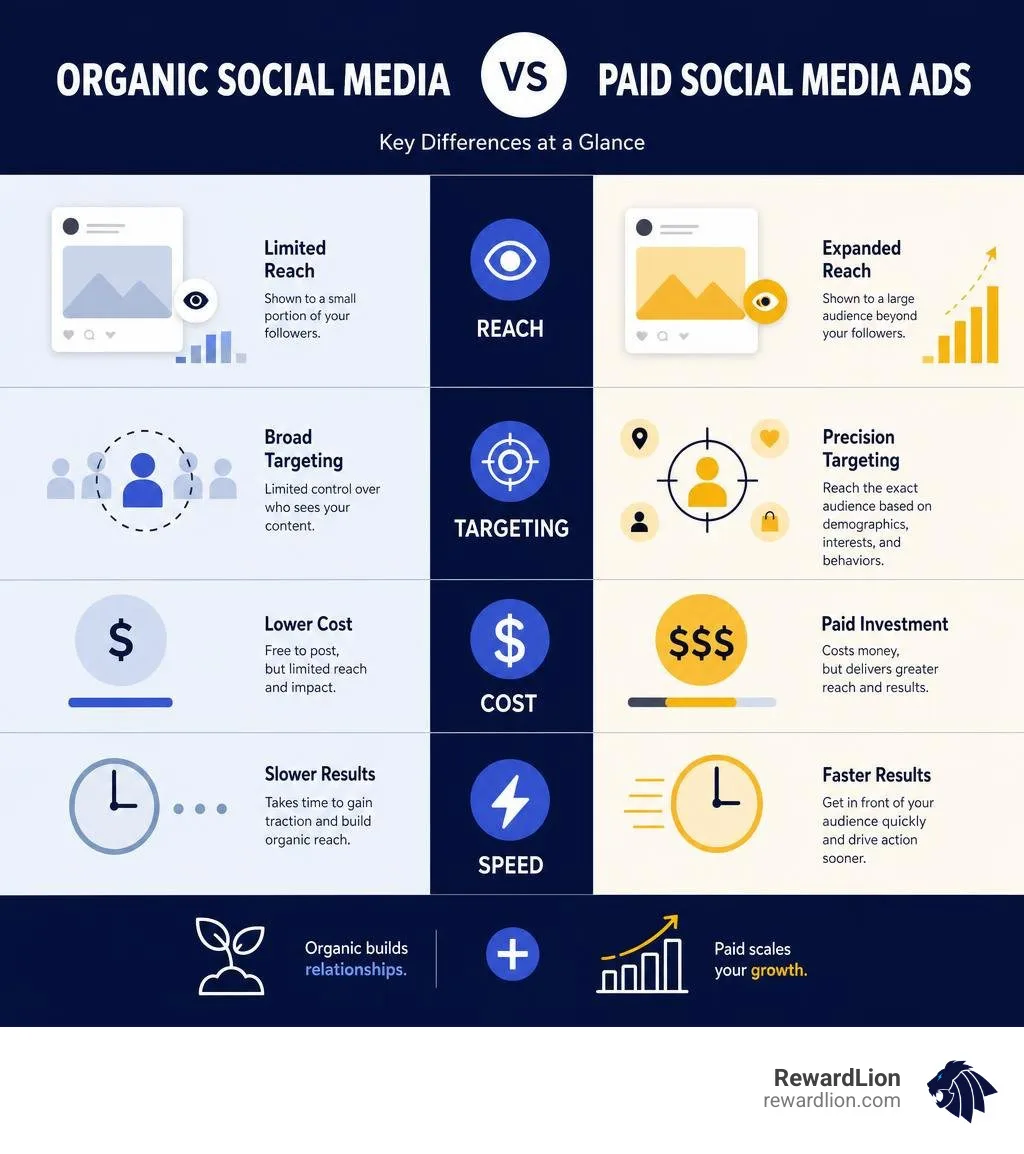
What sets them apart from organic posts: Paid ads guarantee reach — organic posts rely on the algorithm to show your content for free
For small and medium business owners, the reality is hard to ignore. Organic reach on most platforms has dropped sharply over the years. Algorithms now prioritize content from friends and family over business pages. That means even your best posts might reach only a tiny slice of your audience.
Paid social changes that equation immediately.
You can put your product in front of the exact person most likely to buy it — based on their age, location, interests, and even past behavior on your website. No other marketing channel gives you that level of precision at such an accessible entry point.
But knowing where to start, how much to spend, and what actually works? That's where most beginners get stuck.
This guide walks you through everything — from picking the right platform to building creatives that convert — in plain language, with real examples.
I'm Mike Ibrahim, Founder and CEO of RewardLion and Marketing Director for several companies, with over a decade of hands-on experience running social media ads across industries ranging from e-commerce to professional services. I've seen what separates campaigns that quietly drain budgets from those that generate consistent, scalable returns.
What Are Social Media Ads and Why Do They Matter in 2026?
To put it simply, social media ads are the fast-pass tickets of the digital marketing world.
In the early days of social media, you could post a photo of your product, add a couple of hashtags, and watch the orders roll in. That was the golden era of organic reach. Today, however, platforms are crowded, and their algorithms are designed to keep users engaged with personal content. For businesses, this means that relying solely on organic posts is like whispering in a crowded stadium.
If you want to be heard, you need to understand The Power Of Ads. Paid social media ads bypass the algorithmic gatekeepers. By dedicating a marketing budget to paid distribution, you ensure that your message is placed directly in front of active, relevant users. According to the comprehensive guide on Social media advertising: Cost, benefits, and tips for 2026, paid ads have become a brand's absolute best bet for reaching new audiences, especially when trying to connect with users who do not yet follow your page.
Paid Ads vs. Organic Social Media Marketing
To build a sustainable digital presence, we must understand how paid distribution and organic engagement work together.
Organic social media marketing is all about relationship-building and community management. It involves posting updates, replying to comments, and sharing behind-the-scenes content. It is essential for nurturing the customers you already have. However, organic reach is highly limited.
Paid social media ads, on the other hand, focus on active customer acquisition. Instead of waiting for the algorithm to favorably rank your post, you pay to push your creative assets directly into the feeds of specific target groups. While organic marketing builds your brand’s personality, paid advertising builds your pipeline.
Key Benefits of Social Media Ads for Modern Businesses
Why do businesses continue to shift their budgets toward paid social? The reasons are clear and measurable:
Unmatched Targeting Capabilities: You can target users based on their exact demographics, geographical location, interests, and behaviors.
Rapid Brand Awareness: You can introduce your business to hundreds of thousands of local or global users in a matter of hours.
Predictable Customer Acquisition: Unlike organic posts, which are unpredictable, paid campaigns let you scale your budget up or down based on performance.
Seamless E-commerce Integration: Platforms now offer native checkouts, allowing users to buy products without ever leaving the app.
To see how these benefits translate to real-world platforms, you can explore our breakdown of The Power Of Facebook Ads, which remains one of the most robust systems for generating local and global leads.
Choosing the Right Platforms and Understanding Ad Costs
One of the most common mistakes beginners make is trying to be everywhere at once. Running ads on Facebook, Instagram, TikTok, LinkedIn, and Pinterest simultaneously will quickly drain your budget and make it difficult to optimize your campaigns.
Instead, you need to align your platform selection with your target audience's demographics and your specific business goals.
Platform Demographics and Ad Formats
Each social platform has its own unique user base and native content style:
Facebook: With over 3.03 billion active users, Facebook offers the broadest reach, particularly among older demographics (users aged 50+ are highly active here). The largest age group, however, remains 25 to 34 years old.
Instagram: Boasting over 1.7 billion users, Instagram skews heavily toward visual storytelling. Its largest age group is also 25 to 34 years old, making it the premier platform for lifestyle, fashion, beauty, and direct-to-consumer (DTC) brands.
TikTok: skews younger, with its largest age group being 10 to 19 years old, though its overall user base of 1.6 billion active monthly users includes a rapidly growing cohort of adults under 40. Content here must feel native, , and low-fidelity.
YouTube: Reaching over 2.5 billion monthly active users, YouTube is accessed by 52% of all internet users at least once a month. It is highly effective for longer-form video demonstrations and educational ads.
Pinterest: This platform skews heavily female (nearly 76%) and acts as a visual search engine. Users go to Pinterest to plan purchases, making it excellent for home decor, DIY, fashion, and beauty.
LinkedIn: The undisputed king of B2B marketing. It is designed for targeting professional titles, industries, and business decision-makers.
Snapchat: With 443 million daily active users, Snapchat skews heavily toward Gen Z and younger millennials, making it a strong option for mobile-first visual campaigns.
Here is a quick-reference guide to help you evaluate your options:
Social Platform | Primary Age Demographics | Key Ad Formats | Average CPM (2026) | Minimum Daily Budget |
|---|---|---|---|---|
25–34, strong 50+ reach | Photo, Video, Carousel, Slideshow | $5.00 – $8.00 | $1.00 | |
25–34, highly visual | Stories, Reels, Carousels, Shop Ads | $9.46 | $1.00 | |
TikTok | 10–19, strong under-40 | Short-form Video, Spark Ads | $4.00 – $9.00 | $50.00 (Campaign min) |
YouTube | 18–29, highly broad | Skippable/Non-skippable Video, Shorts | $4.00 – $5.00 | $10.00 |
18–44, heavily female | Promoted Pins, Video, Shopping | $4.67 | $2.00 – $5.00 | |
25–46, professional | Sponsored Content, Message Ads, Lead Gen | $15.00 – $30.00 | $10.00 | |
Snapchat | 13–34, mobile-first | Single Image/Video, Story Ads, Filters | $2.00 – $4.00 | $5.00 |
Selecting the right channel is the first step in implementing Effective Advertising Strategies that protect your margins.
Average Costs and CPM Benchmarks in 2026
How much do social media ads actually cost? In 2026, most brands can expect to pay between $4.00 and $10.00 per thousand impressions (CPM). However, actual costs vary based on your industry, target audience, and campaign objective.
For example, Instagram ads typically range from $0.20 to $2.00 per click on average. Facebook ads cost approximately $0.50 to $3.50 per click for impressions-focused campaigns, while highly targeted conversion campaigns can cost more but yield a much higher return on investment (ROI). On Pinterest, ads generally cost between $2.00 and $5.00 for every 1,000 impressions, and $0.10 to $1.50 per click.
Bidding is dynamic. During highly competitive seasons (like Black Friday or lead-heavy quarters), CPMs naturally rise as advertisers compete for the same audience's attention.
Designing High-Converting Paid Social Creatives
Your targeting and budget won't matter if your ad creative fails to stop the user's scroll. In 2026, the visual asset is the single most important lever for ad performance.
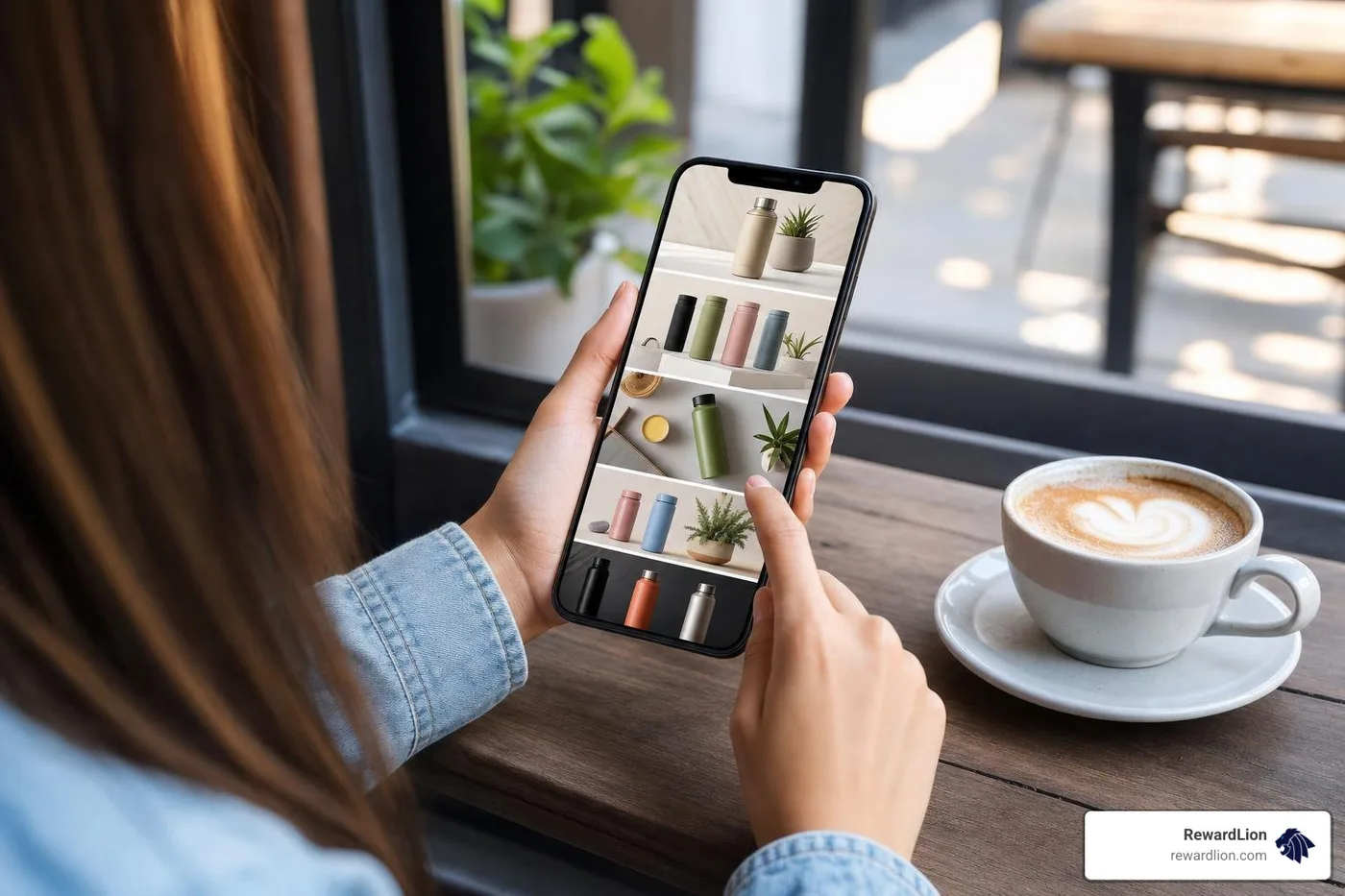
Many beginners believe that they need to hire an expensive production studio to create high-performing ads. In reality, highly polished, corporate-looking ads are often ignored because they look too much like commercials. Modern users prefer "lo-fi" content — videos and photos that look like they were taken by a friend on a smartphone. Understanding What Makes An Ad Effective starts with embracing authenticity over production value.
Choosing the Most Effective Formats for Social Media Ads
Depending on your product or service, different ad formats will yield different results:
Photo Ads: Best for simple, clean, and direct product showcases. A single, high-quality image addressing a clear pain point can be incredibly effective.
Video Ads: Excellent for demonstrating how a product works or sharing customer testimonials. Keep your videos under 60 seconds, and ensure the first 3 seconds feature a strong visual "hook." For more details on crafting these, check out our guide on creating a Product Advertisement Video.
Carousel Ads: These allow you to feature multiple images or videos within a single ad card. They are perfect for showing a collection of products, highlighting different features of a single product, or telling a sequential story. To set these up programmatically, you can refer to the Instagram Carousel Ads | Developer Documentation.
Story & Reels Ads: Vertical, full-screen mobile formats that feel native to how users consume content. These should always be shot vertically (9:16 aspect ratio) and feature fast cuts and captions, as many users browse with their sound turned off.
Optimizing Creatives, Landing Pages, and Social Proof
To turn clicks into customers, your ad must offer a seamless journey from the initial scroll to the final checkout.
First, leverage user-generated content (UGC) and influencer partnerships. Ads that feature real people using and reviewing your products build immediate trust. Second, ensure your ad copy leads with the customer's emotional pain points rather than a dry list of product features. If you are using video, consider how Commercial Video Advertising can tell a story that connects on a deeper level.
Finally, do not send high-intent ad traffic to a cluttered homepage. Your ad should link directly to a dedicated, fast-loading landing page that matches the exact offer, visual style, and message of the ad. If a user clicks an ad for a specific blue jacket, they should land on a page featuring that exact blue jacket, with a clear and simple checkout process.
Building a Strategic Campaign and Managing Your Budget
Before you spend a single dollar on social media ads, you need a clear campaign plan. Throwing money at boosted posts without a structured approach is a quick way to lose your budget.
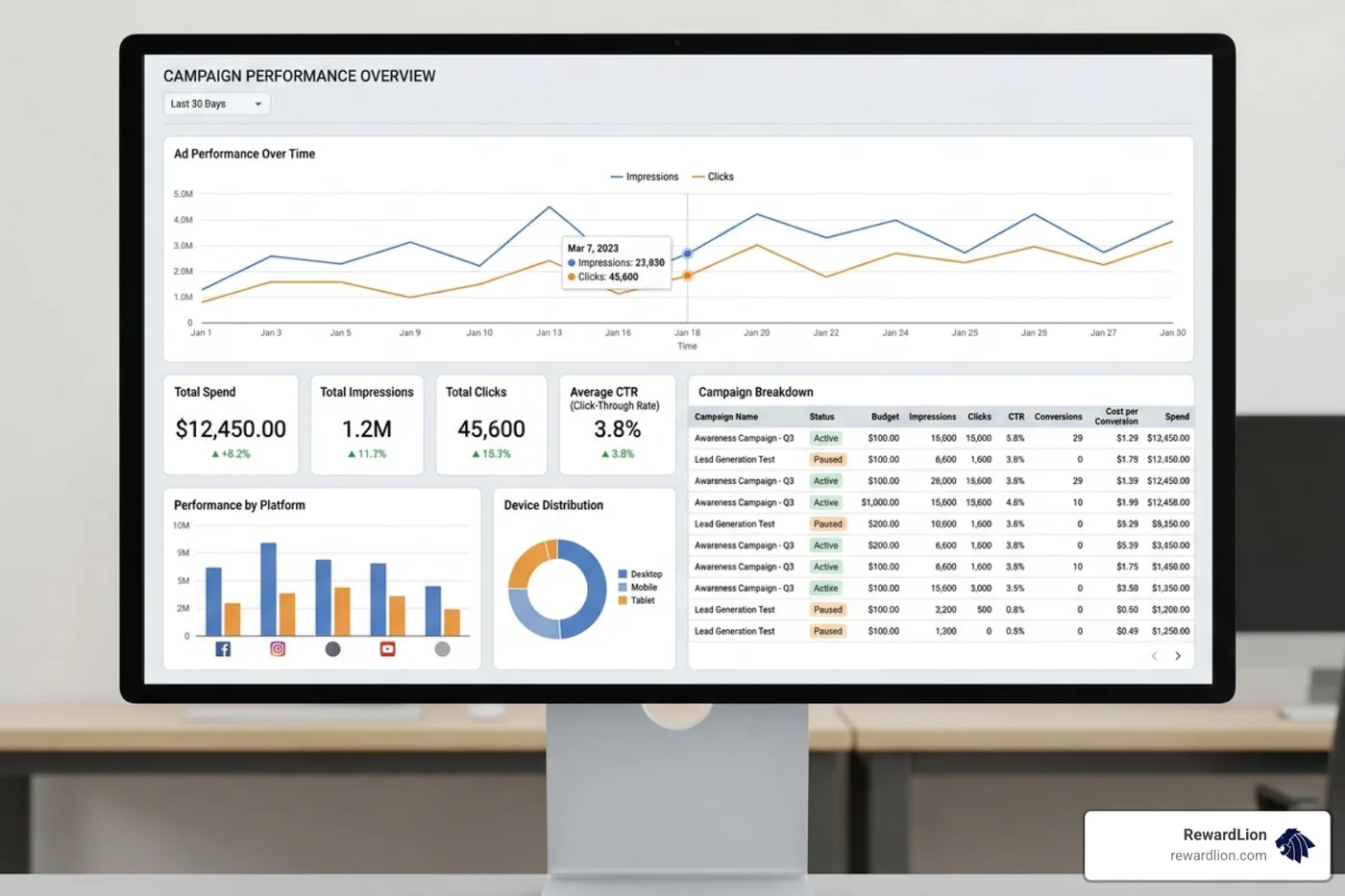
A successful campaign starts with a solid Lead Generation Campaign Plan. This plan outlines your goals, target audience, tracking infrastructure, and optimization schedule.
Essential Steps to Create a Successful Strategy
To set up a campaign that delivers consistent results, follow these structural steps:
Define Your Core Objective: Are you looking to build brand awareness, drive traffic to your website, generate leads, or secure direct sales? Choose one primary goal per campaign.
Build Your Audience Personas: Research who your ideal customer is. What are their pain points, hobbies, age ranges, and online habits?
Establish Your Tracking Foundation: Install tracking pixels (like the Meta Pixel) and set up the Conversions API (CAPI) on your website. Without proper tracking, you cannot measure which ads are generating revenue.
Identify Top Organic Posts: Look at your organic social media channels. If a particular post has naturally gained high engagement, you can easily programmatically Use Posts as Instagram Ads to scale its reach with paid budget.
Audience Targeting, Budgeting, and Measuring KPIs
When it comes to targeting, modern ad platforms are highly automated. While you can still use detailed targeting (interests, behaviors, demographics), the trend in 2026 is to let the platform's machine learning find your buyers.
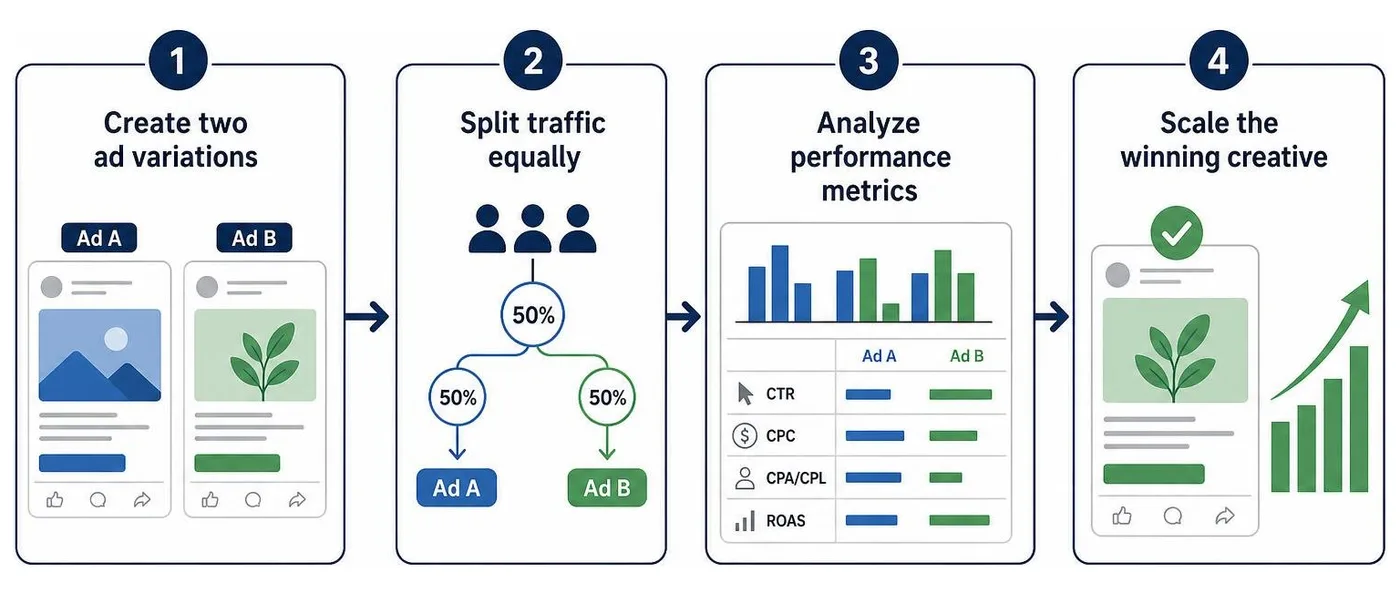
To manage your budget effectively, start small. Allocate a testing budget to run multiple ad variations. Once you identify a winning combination of creative and audience, you can safely increase your spend.
To measure your progress, you must track key performance indicators (KPIs) regularly:
Click-Through Rate (CTR): The percentage of people who clicked your ad after seeing it. A CTR above 1.5% is generally considered strong.
Cost Per Click (CPC): How much you pay for each click.
Cost Per Acquisition/Lead (CPA/CPL): The total ad spend divided by the number of conversions or leads generated.
Return on Ad Spend (ROAS): Your total revenue generated from ads divided by your total ad spend.
Advanced Optimization: Algorithmic Delivery and A/B Testing
As you gain experience, you will want to move away from manual tweaks and embrace the automated, algorithmic delivery systems built into modern ad networks.
In 2026, manual audience hacking is largely a thing of the past. As explained in Meta’s Advantage+ Is Eating DTC Ad Budgets — and Winning – Online Store News, automated campaign types like Advantage+ use real-time behavioral signals to dynamically distribute your budget to the users most likely to convert.
Embracing Algorithmic Automation and A/B Testing
To succeed with modern, automated ad platforms, your primary lever for performance is creative diversification. Instead of trying to outsmart the algorithm with complex targeting rules, you should feed the platform a variety of creative formats (videos, carousels, single images) and let the machine learning determine which creative resonates with each audience segment.
This approach is detailed in The Master Brief: My Complete Approach to Meta Ads - mGrowTech, which emphasizes that modern media buying requires simplifying campaign structures, consolidating budgets, and focusing on high-velocity creative testing.
Additionally, ensuring that your website's data pipeline is robust is critical. Setting up a Conversions API (CAPI) alongside your standard pixel ensures that your conversion data is passed back to the ad platform with minimal latency, allowing the algorithm to optimize your delivery in real time. If you want to learn more about how AI and automation are reshaping client acquisition, check out our Ai Lead Generator Guide 2026.
Real-World Examples of Successful Campaigns
To see these principles in action, let's look at how several brands achieved exceptional results by aligning with platform-native behaviors and modern ad tools:
PureGym: Instead of running highly polished, expensive commercial videos, this gym chain ran lo-fi, handheld video ads designed to look like organic Reels. This authentic approach achieved a 5.6x increase in Thruplays over their previous, highly formal ad formats, while significantly reducing production costs.
Good Protein: This brand utilized TikTok Spark Ads to promote authentic creator recipes and product reviews alongside traditional brand ads. By leveraging natural creator content, they improved their average watch time by 25%.
Cetaphil: By using trend badges and aligning their visual assets with trending search terms on Pinterest, this skincare brand achieved a 4.5% lift in brand awareness.
NARS Cosmetics: This cosmetics brand integrated Instagram Shops directly into their social ads. By allowing users to check out natively in the app instead of redirecting them to an external website, they increased their overall ROI by 6% and decreased their cost per purchase by 24%.
Frequently Asked Questions
How do I start running paid campaigns with a small budget?
Start by choosing a single platform where your target audience is most active (such as Instagram or Facebook). Set a modest daily budget of $5.00 to $10.00. Instead of creating complex campaigns from scratch, identify your top-performing organic posts and boost them to a broad local or interest-based audience. This allows you to gather initial data and test creatives without a large upfront investment.
What is the difference between boosting a post and running an ad campaign?
Boosting a post is a quick, simplified way to put paid budget behind an existing organic post directly from your profile feed. It is excellent for quick engagement and brand awareness. Running an ad campaign through a dedicated platform (like Meta Ads Manager) gives you access to advanced features, including detailed targeting, custom conversion tracking, A/B testing, multiple ad formats, and outcome-based campaign objectives.
How long does it take to see results from social media advertising?
Typically, it takes 1 to 2 weeks for a new campaign to exit its initial "learning phase." During this time, the platform's algorithm is testing your ads across different audience segments to find the most cost-effective path to conversions. You should avoid making major changes to your budget or creatives during this window to allow the tracking systems to stabilize and optimize delivery.
Conclusion
Running social media ads in 2026 does not require a massive production budget or a degree in data science. It requires a willingness to test, an understanding of your audience's pain points, and a focus on authentic, native-looking creatives.
However, managing multiple ad platforms, designing high-converting creatives, setting up tracking pixels, and keeping up with constant algorithm changes can quickly become a full-time job.
That is where RewardLion comes in.
We don't expect you to manage disconnected tools or hire multiple agencies. RewardLion installs a fully connected growth system powered by AI and executed by our dedicated, in-house CAPSS team of experts. From local search domination and high-converting landing pages to programmatic advertising and expert video production, we handle everything hands-off so you can focus on running your business.
Whether you are located in Las Olas, Fort Lauderdale, Miami, Boca Raton, or anywhere across the United States, we are ready to help you scale. Explore our local services in Digital Marketing Fort Lauderdale and let us build your predictable lead flow.
Ready to take the guesswork out of your paid social campaigns? Get a custom quote for your business today and let our experts deploy a high-converting ad system for your brand.