Why Lead Generation Techniques and Tools Determine Your Business Growth
The right lead generation techniques and tools can be the difference between a pipeline that hums and one that stalls. For small and medium businesses especially, choosing the wrong approach — or using too many disconnected tools — wastes budget and burns time.
Here is a quick snapshot of the most effective techniques and tools available right now:
Technique / Tool Type Best For SEO & content marketing Inbound Long-term organic lead flow Exit-intent popups Inbound Capturing abandoning visitors Cold email with AI personalization Outbound B2B prospecting at scale LinkedIn outreach Outbound Decision-maker targeting Live chat & AI chatbots Inbound Real-time lead qualification Gated content (ebooks, webinars) Inbound First-party data collection Intent data & waterfall enrichment Outbound Finding in-market buyers CRM + marketing automation Both Nurturing and scoring leads
A few numbers worth knowing before we dive in:
Content marketing generates 3x more leads than paid search
Live chat can lift lead volume by up to 40%
AI-assisted sales teams generate 3.5x more leads than manual prospecting
Responding to inbound leads in under 60 seconds converts 6–8x better than a 24-hour delay
The reality in 2026 is that most businesses are not short on tactics — they are short on a system that connects them. Fragmented tools, inconsistent follow-up, and no clear way to score or prioritize leads are the real problems holding growth back.
I'm Mike Ibrahim, Founder and CEO of RewardLion and Marketing Director for several companies, with over a decade of hands-on experience building and scaling lead generation techniques and tools across diverse industries. Throughout my career I've tested what actually moves the needle — and in this guide I'll walk you through what works in 2026, without the fluff.
Understanding Lead Generation in 2026
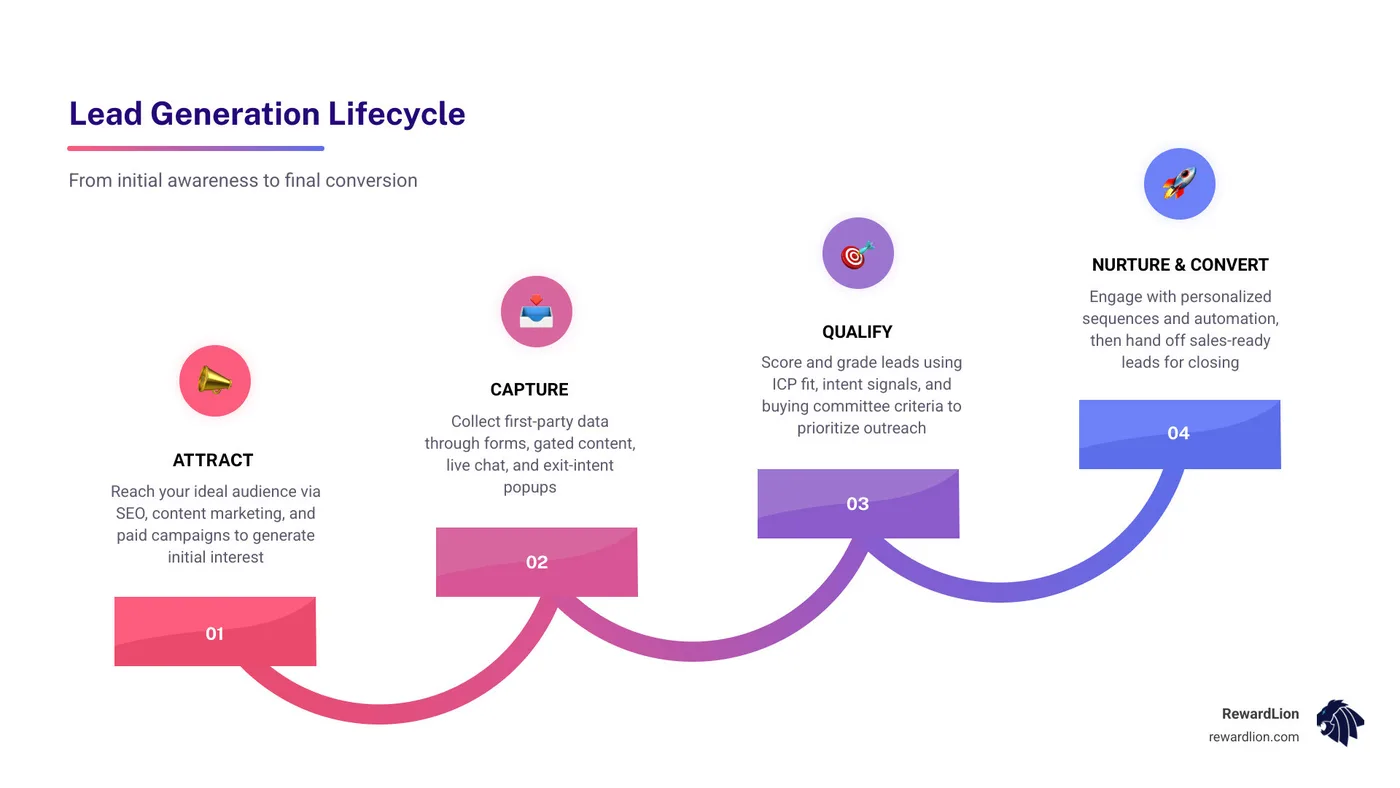
Lead generation is the process of attracting potential buyers, capturing their information, qualifying their interest, and moving them toward a sale. A lead can be as simple as someone filling out a form, starting a chat, booking a demo, or replying to outreach.
Why does it matter? Because revenue rarely appears by magic. Leads are the raw material of your sales pipeline.
In 2026, lead generation is more complex than it was a few years ago:
B2B buying committees often include 5 to 12 stakeholders
Sales cycles can last from 2 months to 12+ months
Privacy rules make first-party data more valuable
Search is now split between Google, maps, social platforms, and AI engines
That means modern lead generation is not just about getting more names. It is about getting the right names, at the right time, with enough context to act fast.
For most businesses, there are two big categories:
Inbound lead generation: attracting prospects through content, SEO, webinars, landing pages, social media, reviews, and website experiences
Outbound lead generation: proactively reaching prospects through cold email, LinkedIn, calls, ads, and signal-based prospecting
Both matter. In fact, many B2B teams now run a blended model where inbound builds trust and outbound creates pipeline on demand. If you want a deeper breakdown of software options behind this process, our lead generation software complete guide is a strong next read. For a B2B-specific view of ICPs, intent data, and outbound structure, this guide on B2B lead generation in 2026 is also useful.
Core Lead Generation Techniques and Tools for 2026
The best lead generation techniques and tools are not random hacks. They map to buyer behavior.
People discover brands in search, compare options on your site, hesitate, leave, come back, ask questions, and only then convert. Your stack should support that messy reality.
Today, the strongest lead generation mix usually includes:
Content marketing for education and trust
SEO and GEO for visibility in search and AI answers
Conversion-focused landing pages
Real-time chat and forms
CRM and automation for follow-up
Outbound prospecting based on intent and data quality
Search is still foundational. Blogs alone account for a meaningful share of internet usage, and content marketing continues to outperform paid search on lead volume. But in 2026, SEO is no longer enough by itself. We also optimize for GEO, or generative engine optimization, so your brand can appear in AI-driven answer platforms.
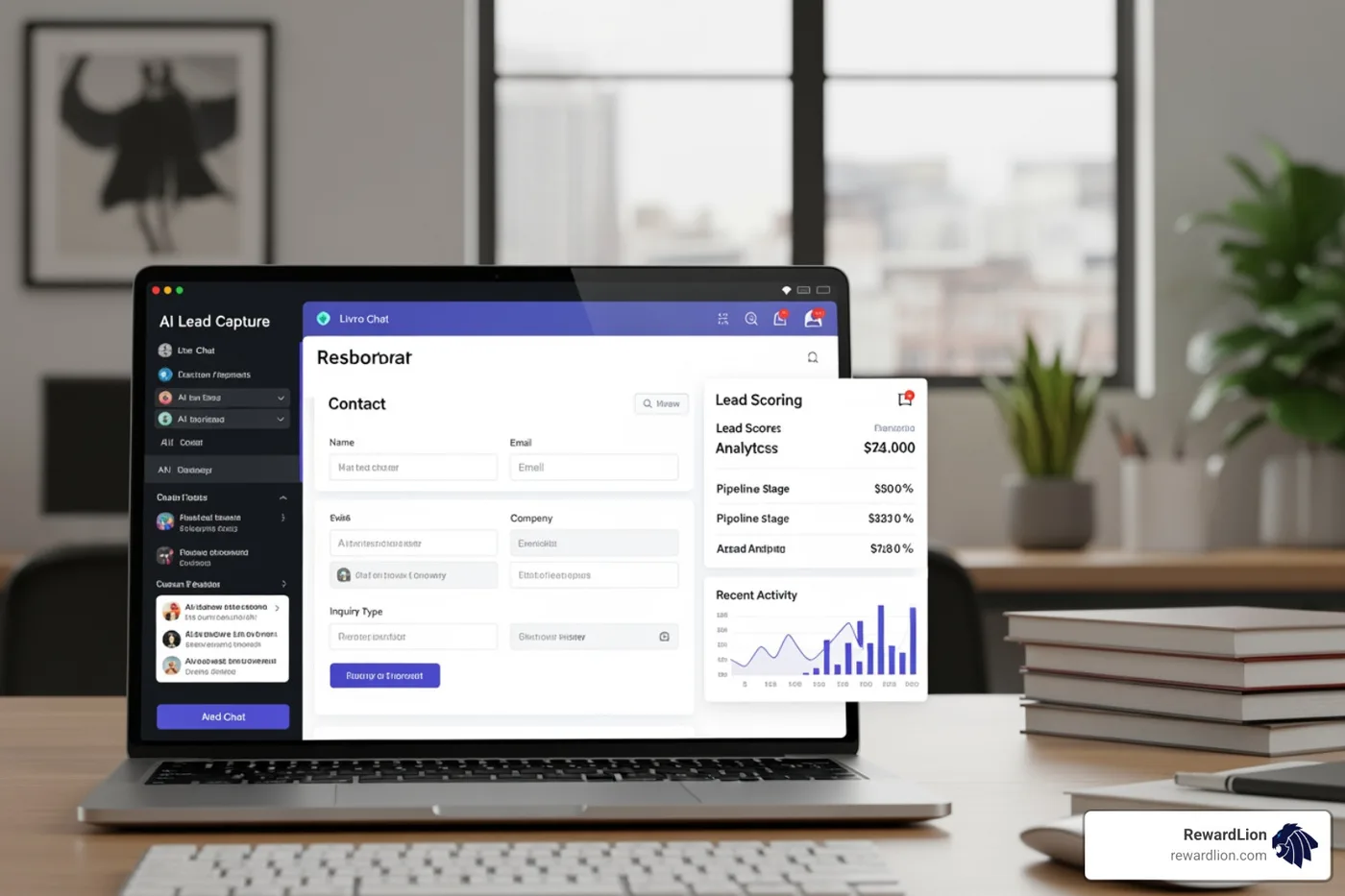
For service businesses, professional firms, SaaS brands, and local companies across Florida and the wider U.S., this usually starts on the website. That is where trust is won or lost. A confusing website is basically a digital repellent. If your tools are disconnected, even good traffic leaks out of the funnel like coffee through a cracked mug.
For more on software categories that support this, see our lead gen software overview. Another helpful resource is this article on online lead generation techniques for professional services firms.
Inbound Lead Generation Techniques and Tools
Inbound lead generation works by earning attention rather than interrupting it.
Here are the most effective inbound techniques in 2026:
SEO and content marketing
Educational content attracts people searching for answers. This includes blogs, guides, comparison pages, FAQs, and case-study style content. Research shows content marketing can generate three times more leads than paid search, which is why it remains a high-ROI channel.
Gated content
White papers, research reports, templates, webinars, and checklists still work well when the value is strong enough. The trade is simple: useful information in exchange for contact details. This is also one of the best ways to collect first-party data.
Live chat and AI chatbots
Live chat can increase leads by around 40% on average. Why? Because it reduces friction. Many visitors do not want to fill out a form and wait. They want an answer now. AI chat assistants now handle basic qualification, route high-intent users, and capture leads 24/7.
Exit-intent popups
Exit-intent tools trigger when a user is about to leave. Used well, they recover abandoning visitors with offers like demos, discounts, checklists, or newsletter signups. Research cited in your brief shows exit-intent popups can dramatically improve opt-in rates.
Video testimonials and demo videos
Product demo videos can increase conversions by up to 30%. Video builds trust fast because visitors can see the product, hear proof, and understand value in less time than it takes to read a five-paragraph sales pitch.
Landing pages and forms
Focused landing pages still outperform generic service pages for campaigns. Keep forms short, headlines clear, and CTAs specific. Adding more opt-in pages has been shown to lift conversion rates significantly.
If you are evaluating capture solutions specifically, our guide to lead capture software goes deeper.
Outbound Lead Generation Techniques and Tools
Outbound lead generation means you start the conversation.
Done badly, it feels like spam. Done well, it feels timely and relevant.
The top outbound techniques in 2026 are:
Cold email with AI personalization
Generic sequences are fading fast. Personalized cold email performs better when it references real context such as hiring activity, product launches, expansion, or likely pain points. Healthy cold reply rates in B2B often land around 2% to 5%, with better results on warmer or signal-rich audiences.
LinkedIn outreach
LinkedIn remains strong for targeting decision-makers, especially in B2B and professional services. The key is using it as a relationship channel, not a copy-paste machine. A few precise messages beat 500 robotic ones every time.
Intent-driven outreach
Intent signals show who may actually be in-market. These can include job postings, recent funding, content consumption, pricing-page visits, demo requests, or repeat site visits. Intent data helps teams prioritize buyers instead of guessing.
Waterfall enrichment
Data quality matters because contact databases decay fast. Waterfall enrichment checks multiple data sources in sequence to improve coverage and accuracy. Research shows single-source enrichment often only covers 40% to 60% of emails, while waterfall methods can push that much higher.
Multichannel outbound sequences
Modern outbound usually combines email, LinkedIn, and sometimes phone. A common structure is 8 to 12 touches over 14 to 21 days. The point is consistency without becoming the digital version of someone knocking on your door during dinner.
If you want an AI-specific implementation approach, this resource on how to use AI for lead generation in 2026 is worth reviewing.
The 5-Stage Lead Generation Process
A strong lead generation system follows a repeatable process. We use five core stages.
Define your ideal customer profile
Before running campaigns, define who should become a lead. Look at firmographics, geography, company size, budget, pain points, role, and buying triggers. If your ICP is vague, every downstream tactic gets worse.
Source and attract leads
This includes inbound channels like SEO, ads, content, and chat, plus outbound channels like prospecting lists, LinkedIn, and email. Demand generation creates awareness; lead generation captures and activates it.
Score and grade leads
Scoring measures behavior. Grading measures fit.
Method What it measures Example Lead scoring Engagement and intent Visited pricing page, booked demo, opened 3 emails Lead grading Match to ICP Right industry, size, location, budget, role
A lead who downloads a demo guide may score high on behavior. A lead from the wrong industry may grade low on fit. You need both.
Nurture leads
Most leads are not ready today. Nurture sequences keep them warm with relevant emails, retargeting, case studies, webinars, and sales follow-up. This is especially important in B2B, where buying cycles can stretch for months.
Convert and optimize
Route qualified leads fast, track which sources produce revenue, and improve the funnel over time. If you only track form fills, you are measuring activity, not outcomes.
For more on workflow design, read our lead automation software and demand generation software resources.
Advanced AI and Automation Trends
AI is not replacing strategy. It is replacing repetitive work, speeding response times, and improving prioritization.
The biggest AI trends shaping lead generation in 2026 are:
Autonomous chat agents that qualify inbound leads around the clock
Predictive lead scoring based on past closed-won data
LLM-assisted personalization for email, chat, and landing pages
Automated routing that sends hot leads to the right rep in minutes
AI analysis of intent signals, local demand, and campaign performance
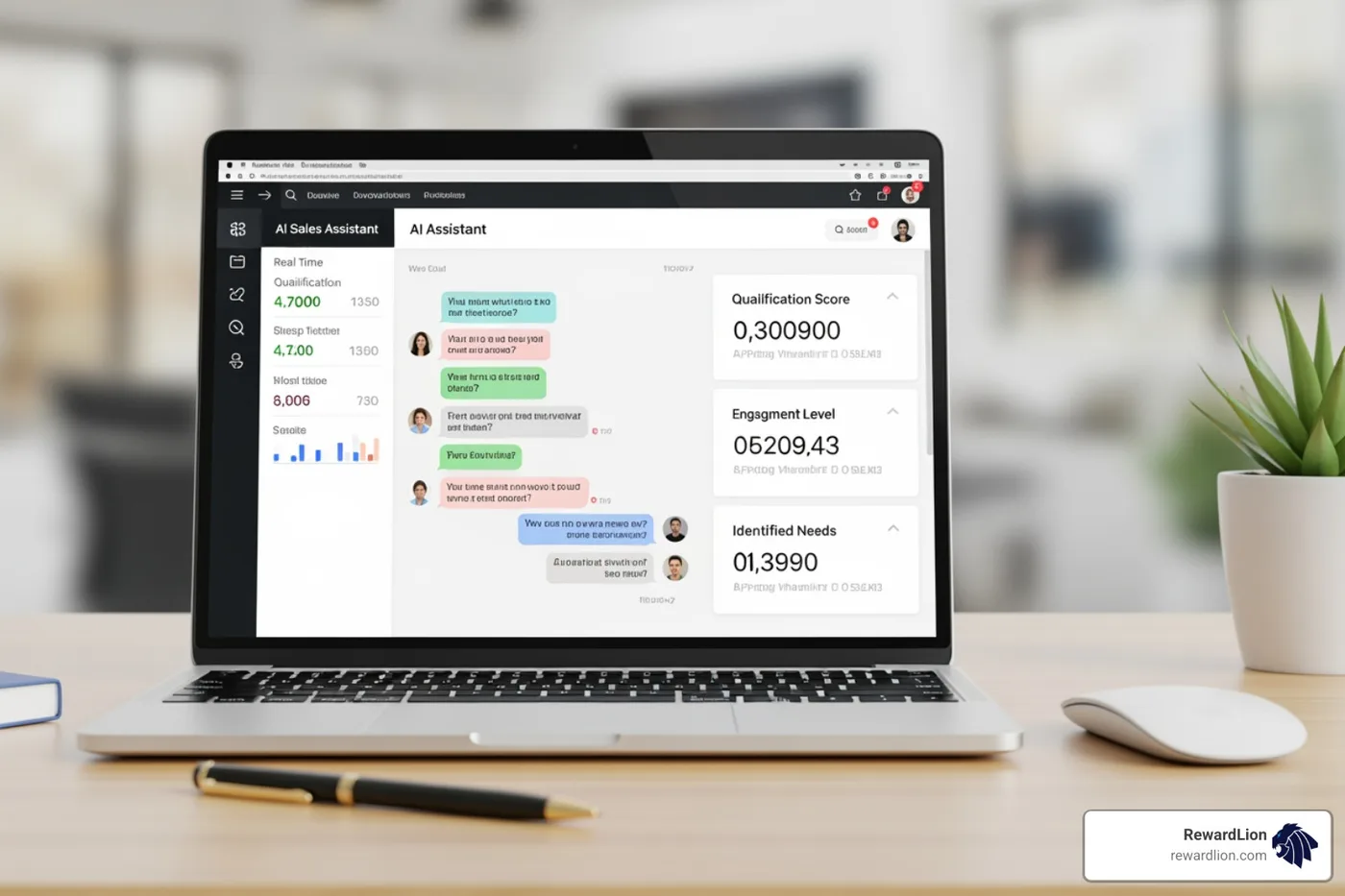
One major shift is speed-to-lead. Research in your brief shows responding in under 60 seconds can convert 6 to 8 times better than waiting a full day. That is huge. Fast response is no longer a nice-to-have; it is a competitive advantage.
Another big shift is connected systems. The most effective setups combine a CRM, capture tools, automation, analytics, and AI qualification into one operating layer. That is exactly why businesses are moving away from patchwork stacks.
If you are exploring this category, our AI driven sales platform and sales automation software saas guides break down the tech in practical terms.
Measuring ROI and Lead Quality
You cannot improve what you do not measure. And no, counting raw leads alone does not count as measurement.
The most important lead generation metrics in 2026 are:
Cost Per Lead (CPL)
Cost Per Qualified Lead
Conversion rate
Lead-to-meeting rate
MQL to SQL rate
Pipeline velocity
Customer Acquisition Cost (CAC)
Return on investment (ROI)
Here is the basic CPL formula:
CPL = total campaign spend / total leads generated
If you spend $1,000 and generate 200 leads, your CPL is $5.
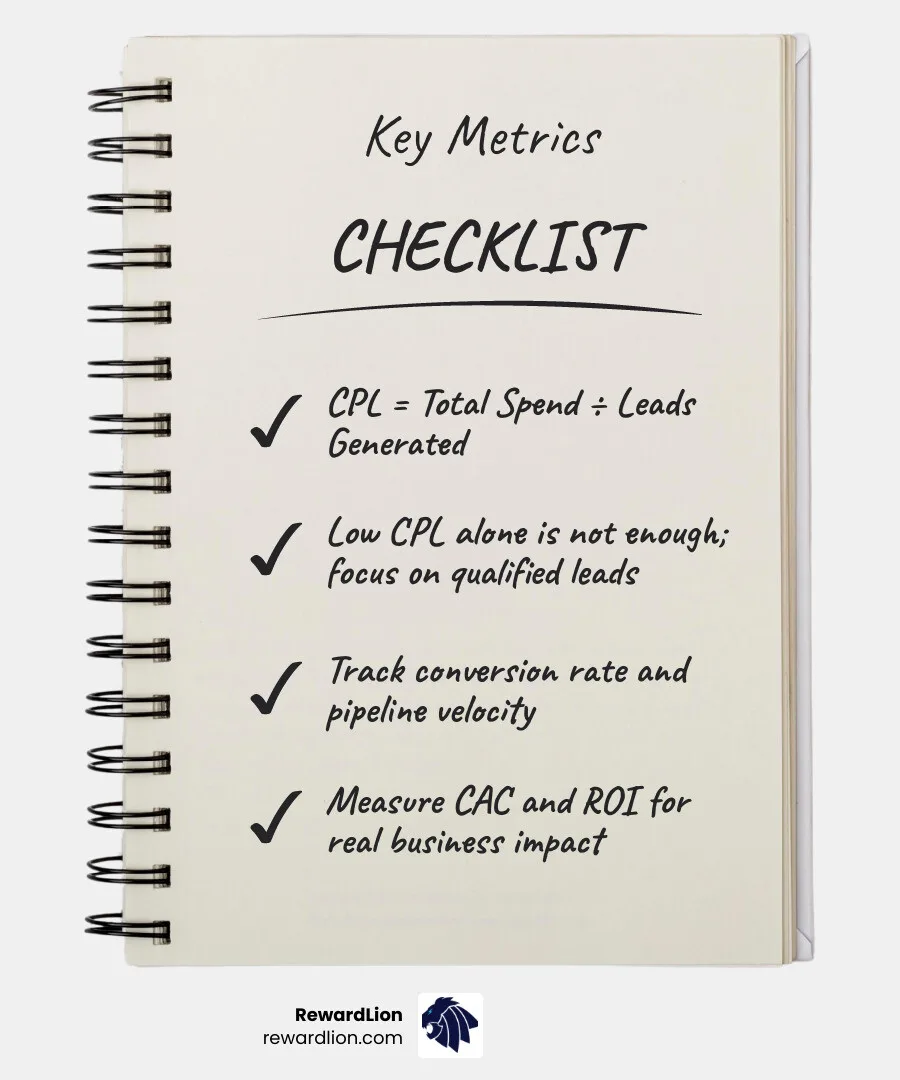
But low CPL is not always good. Cheap bad leads are still bad leads. We care more about qualified pipeline and closed revenue than vanity metrics.
A simple measurement framework looks like this:
Volume: how many leads came in?
Quality: how many matched ICP and showed intent?
Speed: how fast did we respond?
Efficiency: what was the CPL and CAC?
Revenue impact: how much pipeline and closed-won business did the source produce?
This is where CRM usage becomes critical. Research shows 53% of top-performing companies use CRM to generate leads and improve sales productivity. The CRM is your source of truth for tracking handoffs, attribution, and follow-up.
For better reporting systems, see our lead generation analytics and digital marketing automation software guides.
Frequently Asked Questions about Lead Generation
What is the BANT framework for lead qualification?
BANT stands for Budget, Authority, Need, and Timing.
It is a classic way to qualify whether a lead is sales-ready:
Budget: can they afford the solution?
Authority: are they a decision-maker?
Need: do they have a real problem to solve?
Timing: are they ready soon, or just browsing?
BANT is still useful, especially for sales teams, but we usually recommend combining it with ICP fit, behavioral scoring, and intent signals for a fuller picture.
How does AI improve lead generation efficiency in 2026?
AI improves lead generation by helping teams:
Build better target lists faster
Personalize outreach at scale
Qualify inbound leads instantly
Score prospects based on fit and behavior
Route leads to the right workflow automatically
Reallocate spend toward better-performing channels
In practical terms, tasks that once ate up most of a rep's week, like research, drafting, sorting, and follow-up, can now be heavily automated. The best results come from AI plus human oversight, not AI on a caffeine binge running wild on its own.
What is waterfall enrichment and why is it necessary?
Waterfall enrichment means checking several data providers one after another for contact details and account data.
It matters because data decays quickly. People change jobs, companies rebrand, and emails go stale. If you rely on one source, you miss coverage and increase bounce risk. With waterfall enrichment, you improve accuracy, coverage, and deliverability before outreach starts.
This is especially important in B2B outbound, where precision now beats volume.
Conclusion
Lead generation in 2026 is no longer about finding one channel or one shiny tool. It is about building a connected system that attracts, captures, qualifies, nurtures, and converts the right prospects consistently.
That is why the best lead generation techniques and tools work together:
Inbound creates trust and demand
Outbound creates predictable pipeline
AI speeds up qualification and follow-up
CRM and automation keep leads from falling through the cracks
Analytics show what is actually producing revenue
At RewardLion, we built our approach around that reality. Our AI-powered operating system connects marketing, sales, automation, and analytics in one place, and our expert team implements and manages it for you. In other words, you do not have to duct-tape six platforms together and hope for the best.
If you want a hands-off growth system that combines software with a fractional expert team, get started with the RewardLion platform.