What is Email Automation?
Email automation is the process of sending highly targeted, relevant emails automatically based on predefined triggers, schedules, or user actions without needing to manually hit send every time. Instead of blasting your entire list with a generic, one-size-fits-all newsletter, automated systems allow you to deliver messages that feel personal and timely.
According to Best Email Marketing Tools and Solutions for Businesses, modern platforms have evolved to handle complex customer journeys, ensuring that your communication remains consistent and professional even when you are focused on other areas of your business. Email marketing thrives on relevance: delivering the right message, at the right time, to the right recipient. By setting up these automated systems, you establish an always-on marketing channel that works 24/7 to nurture leads, recover abandoned carts, and build lasting customer relationships.
How Automated Email Platforms Differ from Basic Autoresponders
While both tools send emails without manual intervention, they operate on completely different levels of sophistication. A basic autoresponder is a linear, time-based sequence. For example, when someone signs up for your newsletter, they receive Email 1 on Day 1, Email 2 on Day 3, and Email 3 on Day 5, regardless of what actions they take.
In contrast, modern automated email platforms use conditional logic, behavioral triggers, and real-time actions to create dynamic customer journeys.
Behavioral Triggers: If a user clicks a specific link in your email, they are immediately tagged and routed down a customized path.
Conditional Logic: The platform can check if a subscriber has made a purchase. If yes, it sends a thank-you discount; if no, it continues sending educational content.
Real-Time Actions: The system can pause or stop a sequence entirely the moment a subscriber takes a desired action, such as booking a call or buying a product.
For a deeper dive into how these behavioral sequences operate, check out our guide on Drip Email Marketing Software.
Key Features of Modern Email Automation Systems
Choosing the right system requires understanding the features that turn basic email tools into true growth engines. Modern platforms provide visual builders that make it easy to map out your customer's entire experience.

Visual Workflow Builders: Drag-and-drop interfaces that let you visually map out your automation steps, timers, and conditional splits.
Advanced Segmentation: The ability to group your subscribers by demographics, purchase history, or email engagement.
Dynamic Content: Changing specific sections of an email (like product recommendations or local event details) based on who is reading it.
Essential Capabilities: Tagging, Tracking, and Lead Scoring
To get the most out of your campaigns, your platform needs to listen to how your audience interacts with your brand online.
Tagging: Labels applied to subscribers based on actions they take (e.g., tagging someone as "Interested in SEO" when they read your digital marketing blog).
Website Tracking: Placing a snippet of code on your site so your email platform knows when a subscriber visits your pricing page, allowing you to trigger a targeted follow-up email.
Lead Scoring: Assigning points to subscribers based on their engagement (e.g., +5 points for opening an email, +10 for visiting a product page). Once a lead reaches a certain score, your sales team is notified to reach out.
Ecommerce Tracking: Integrating directly with your store to track exact purchases, average order value, and product categories.
Simple Sequences vs. Advanced Conditional Workflows
As your business grows, your automation needs will evolve from simple sequences to advanced, multi-channel workflows.
Simple Sequences: These are straightforward, single-path campaigns like a 3-part welcome series or a basic birthday greeting. They are easy to set up and highly effective for initial engagement.
Advanced Workflows: These use complex "if-then" logic to branch subscribers into different directions. For example, if a contact opens an email but doesn't click, they receive a follow-up with a different subject line. If they do click, they are sent an SMS message instead.
To understand how these advanced systems fit into your broader marketing stack, read about Digital Marketing Automation Software.
Comparing Pricing and Free Options
Pricing models for automated email platforms vary widely. Most providers charge based on the number of contacts in your database, while others charge by the volume of emails sent per month.
Platform Tier Entry Price (Approx. Monthly) Pricing Model Best Suited For Budget-Friendly Entry $9 - $15 / month Per Contact Budget-conscious SMBs Standard Multi-Channel $15 - $30 / month Per Contact General SMBs & Creators Advanced CRM & Workflows $35 - $50 / month Per Contact Advanced workflows & CRM Growth-Focused Ecommerce $40 - $80 / month Per Contact Scale-ups & Shopify Brands SaaS & Product-Led $75+ / month Per Contact SaaS & Product-Led Growth
Evaluating Free and Paid Automated Email Platforms
For startups and small businesses located across Florida, from Miami to Fort Lauderdale and Las Olas, keeping upfront costs low is essential.
Many platforms offer free plans or trials to help you get started:
Entry-Level Free Tiers: Offer a robust starting experience, with basic automation and segmentation tools for up to 1,000 subscribers.
Trial-Based Platforms: Provide 14 to 30-day free trials where you can send a limited number of emails to test out templates, visual workflows, and AI writing assistance.
Scale-Up Plans: Allow you to unlock advanced features like multi-channel automation, SMS integration, and deeper analytics as your subscriber list grows.
All-in-One Platforms vs. Specialized Tools
When selecting a platform, you will face a choice: do you buy a specialized email tool and connect it to your other systems, or do you invest in an all-in-one platform?
Specialized tools excel at doing one thing perfectly. For example, some tools are built specifically for ecommerce, boasting pre-built integrations and processing billions of events daily to power relationship-driven brands.
On the other hand, all-in-one platforms eliminate the need to juggle multiple disconnected subscriptions. They integrate your marketing automation directly with a built-in CRM, allowing your sales and marketing teams to work from a single source of truth. If you are looking to simplify your business operations, exploring Small Business Automation Software can help you decide which path to take.
Finding the Right Fit: Ecommerce vs. SaaS vs. SMBs
Your business model dictates the type of automation platform you need.
Ecommerce: You need deep integrations with platforms like Shopify or WooCommerce. Features like abandoned cart recovery, product recommendations, and post-purchase review requests are non-negotiable.
SaaS (Software as a Service): Your focus is on user onboarding, feature adoption, and trial-to-paid conversions. You need a platform that integrates with payment processors and tracks in-app user behavior.
General SMBs: Your main goals are lead generation, local awareness, and simple follow-ups. Partnering with local experts listed on the Best Email Marketing Agencies in Florida 2026 | Semrush directory can help you design and execute these localized campaigns.
Deliverability, AI, and Analytics Capabilities
An automation sequence is only valuable if your emails actually land in the inbox. Deliverability is the foundation of email marketing.
Deliverability & Reputation: Top-tier platforms use advanced AI sending engines that monitor domain reputation, adjust throttling dynamically, and catch deliverability issues before they impact your sender score. For instance, transactional email setups frequently achieve up to a 99.99% delivery rate.
AI Content & Optimization: AI features have moved beyond simple subject line testing. Platforms now use AI writing assistants to generate full email drafts, optimize send times based on recipient behavior, and automatically build targeted segments.
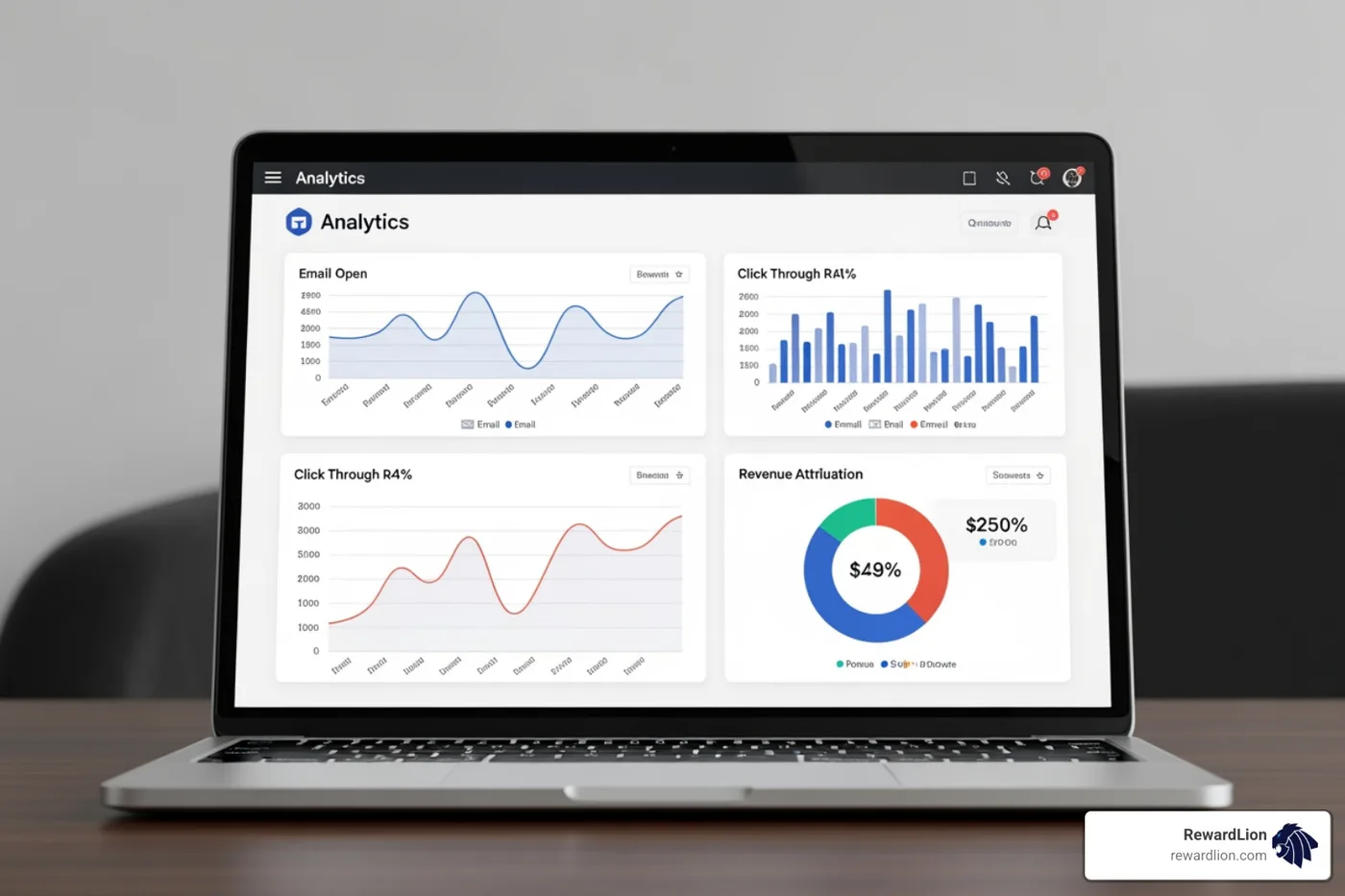
Analytics & Revenue Attribution: To measure your success, you need interactive dashboards that track open rates, click-through rates, and direct revenue attribution. This allows you to see exactly which automated sequence is driving sales.
Choosing the Right Automated Email Platforms for Your Business
To choose the perfect platform, evaluate your business against these four pillars:
Subscriber Size & Growth Plans: Some tools are highly affordable at 1,000 subscribers but become incredibly expensive as your list scales to 10,000+. Look at the pricing tiers for your projected growth.
Marketing Budget: Determine if you want to pay a monthly flat fee, a per-contact rate, or a per-email rate.
Integration Requirements: Make sure the platform natively integrates with your website builder, CRM, payment gateway, and customer support tools.
Technical Expertise: If you hate managing software and don't want to spend hours building workflows, look for platforms that offer pre-built templates or consider outsourcing the setup entirely.
Frequently Asked Questions about Email Automation
What is the average ROI of email automation?
Email marketing consistently delivers one of the highest returns on investment of any marketing channel, often yielding up to 30x to 40x ROI. Because automated campaigns run continuously in the background, they dramatically lower customer acquisition costs while driving repeat purchases from your existing audience.
How do integrations affect email deliverability?
When your email platform is natively integrated with your CRM or ecommerce store, subscriber data syncs in real-time. This prevents outdated lists, reduces bounce rates, and ensures that unsubscribed contacts are immediately removed across all systems, protecting your sender reputation.
Can small businesses use advanced automation without a developer?
Yes. Almost all modern automated email platforms feature drag-and-drop visual builders, pre-designed templates, and pre-built workflow recipes (like welcome series or cart abandonment flows) that require zero coding knowledge to launch.
Conclusion: Get Hands-Off Growth with RewardLion
Setting up, testing, and managing automated email platforms can still feel like a full-time job—especially if you hate sending emails.
That is where we come in. At RewardLion, we provide an AI-powered, all-in-one OS platform that unifies your marketing, sales, automation, and analytics. Operating out of Fort Lauderdale, Miami, and Boca Raton, we serve businesses across Florida and all 50 states with a unique hybrid model: powerful SaaS technology combined with a dedicated, expert team that manages everything for you.
Instead of managing disconnected tools or trying to build complex workflows yourself, our fractional in-house team installs and optimizes your entire marketing and sales system inside one connected platform.
Ready to automate your growth without the headache? Get Started with RewardLion today and let us build your automated sales engine for you.